
Local living June 9, 2026

How Much Is My Home Worth in Framingham? Understanding Home Values in 2026

One of the most common questions homeowners ask is, “How much is my home worth?” While online valuation tools can provide estimates, determining a property’s market value involves reviewing multiple factors, including recent sales, current inventory, property condition, and overall market activity.

In a market like Framingham, where housing inventory and buyer demand can shift throughout the year, understanding how value is determined can help homeowners make informed decisions when considering a future sale.

This guide explains how home values are evaluated and how Julia Alves, a real estate agent with the Winter Properties Realty Group at Century 21 Custom Home Realty, approaches pricing analysis using current market data.

What Determines a Home’s Value?

No single factor determines a property’s value. Instead, market value is typically influenced by a combination of factors, including:

  • Recent comparable sales
  • Property size and layout
  • Number of bedrooms and bathrooms
  • Lot size
  • Property condition and updates
  • Current inventory levels
  • Overall market activity

Because every property is different, homes with similar square footage can have significantly different market values.

The Role of Comparable Sales

One of the primary tools used when evaluating a home’s value is a comparative market analysis (CMA).

A CMA reviews recently sold properties that are similar in:

  • Size
  • Age
  • Property type
  • Location
  • Features and condition

Recent sales generally provide a more accurate reflection of market value than older transactions because they reflect current buyer activity and market conditions.

Why Online Estimates Can Vary

Many homeowners begin their research using automated valuation tools found on real estate websites.

While these tools can provide a general range, they often do not account for:

  • Interior updates
  • Renovations
  • Deferred maintenance
  • Unique property features
  • Current buyer preferences

As a result, online estimates may differ from values derived through a detailed market analysis.

Property Condition Matters

Property condition plays a significant role in pricing.

Factors that may influence value include:

  • Roof age
  • Heating and cooling systems
  • Kitchen and bathroom updates
  • Flooring condition
  • Exterior maintenance

Even within the same neighborhood, condition differences can affect pricing and buyer interest.

Current Market Conditions

Home values are also influenced by market conditions at the time a property is listed.

Factors that can impact pricing include:

  • Number of active listings
  • Number of recent sales
  • Average days on market
  • Interest rate trends
  • Buyer demand relative to inventory

Because these factors change over time, home values should be evaluated using current information rather than historical assumptions.

How Julia Alves Evaluates Home Values

When working with homeowners, Julia Alves begins by reviewing:

  • Recent comparable sales
  • Current active and pending listings
  • Property-specific features
  • Local market trends

The goal is to develop a pricing strategy based on verified market data rather than automated estimates alone.

Every property is unique, which is why pricing decisions are most effective when tailored to the specific home and current market conditions.

Preparing for a Future Sale

Even if you’re not planning to sell immediately, understanding your home’s value can be helpful for:

  • Long-term planning
  • Evaluating potential improvements
  • Monitoring market trends
  • Understanding equity position

Because markets change over time, periodic reviews can provide a more accurate picture than relying on older estimates.

Frequently Asked Questions

How accurate are online home value estimates?

Online estimates can provide a general starting point, but they may not account for property condition, updates, or other unique features.

How often should I check my home’s value?

Many homeowners review market value annually or when considering a refinance, renovation, or potential sale.

Does remodeling always increase value?

Not necessarily. The impact of renovations varies based on project type, cost, and market conditions.

Can two similar homes have different values?

Yes. Condition, updates, lot characteristics, and buyer demand can all affect pricing.


Final Thoughts

Determining a home’s value involves more than looking at a single number online. Recent sales, property condition, inventory levels, and current market activity all contribute to market value.

For homeowners in Framingham and the surrounding MetroWest area, understanding these factors can help provide a clearer picture of where a property stands in today’s market.


Legal Note

This article is for general information, not legal advice. For specific guidance, consult qualified counsel and official agencies.

 

Where to move? June 2, 2026

🏡 Renting vs. Buying in Framingham, MA: What Makes More Sense in 2026?

One of the biggest questions many people are asking right now is whether it still makes sense to rent or if buying a home is the smarter long-term move. As a real estate agent in Framingham, MA, I talk to renters every week who feel stuck trying to decide if they should keep renting or finally make the transition into homeownership.

The truth is, the right decision depends on your goals, finances, and lifestyle but for many first-time buyers in Framingham and the MetroWest area, buying may be more realistic than they think.

Here are a few important things to consider when comparing renting vs. buying in today’s market.

Monthly Payments Are Closer Than Many Renters Realize

A lot of renters assume owning a home is dramatically more expensive than renting. While that can sometimes be true, many people are already paying high monthly rent payments that are comparable to mortgage payments in certain price ranges.

The difference is that rent payments go directly to a landlord, while mortgage payments help homeowners build equity over time.

For many first-time buyers in Framingham, that long-term investment aspect becomes a major reason to consider buying.

Renting Offers Flexibility, But Buying Offers Stability

Renting can be a great option for people who:

  • Move frequently
  • Are unsure where they want to live long-term
  • Prefer lower maintenance responsibilities

However, renting also comes with uncertainty. Rent prices can increase, leases can change, and tenants have limited control over the property.

Homeownership provides more stability and allows buyers to create a space that truly feels like their own.

Building Equity Can Create Long-Term Wealth

One of the biggest financial advantages of buying a home is equity.

As homeowners make mortgage payments and property values change over time, they may build equity in the property. Many homeowners view this as a long-term investment in their future rather than simply a monthly housing expense.

For first-time home buyers in Massachusetts, this is often one of the most important mindset shifts during the process.

First-Time Buyer Programs May Help More Than You Think

Many renters delay buying because they believe they need a massive down payment or perfect finances.

In reality, there are loan options and first-time home buyer programs that may make purchasing a home more achievable. Every buyer’s situation is different, which is why speaking with a trusted lender and real estate agent can be so valuable.

The Emotional Side of Homeownership Matters Too

Buying a home is not only a financial decision it’s also personal.

For many buyers, owning a home means:

  • Having more privacy
  • Gaining more freedom
  • Creating stability
  • Building roots in a community
  • Having space that truly feels like theirs

These emotional benefits are often just as important as the financial ones.

Thinking About Buying a Home in Framingham, MA?

If you’re currently renting and wondering whether buying makes sense for you, the best first step is understanding your options.

As a Framingham real estate agent working with first-time home buyers, I help clients navigate the process, understand the market, and create a plan that fits their goals and budget.

If you’re thinking about buying a home in Framingham or the MetroWest area, feel free to reach out anytime with questions. 🏡

Buying and Selling Guides May 26, 2026

7 Things First-Time Home Buyers in Framingham, MA Forget to Budget For

One of the biggest mistakes I see first-time home buyers make in Framingham and the MetroWest area is focusing only on the down payment. While saving for a home is important, there are several other costs buyers should prepare for before getting the keys.

The good news is that most of these expenses are manageable when you understand them ahead of time. As a Framingham real estate agent helping first-time buyers, my goal is always to make the process feel less overwhelming and more predictable.

Here are some of the most common costs buyers forget to budget for 👇

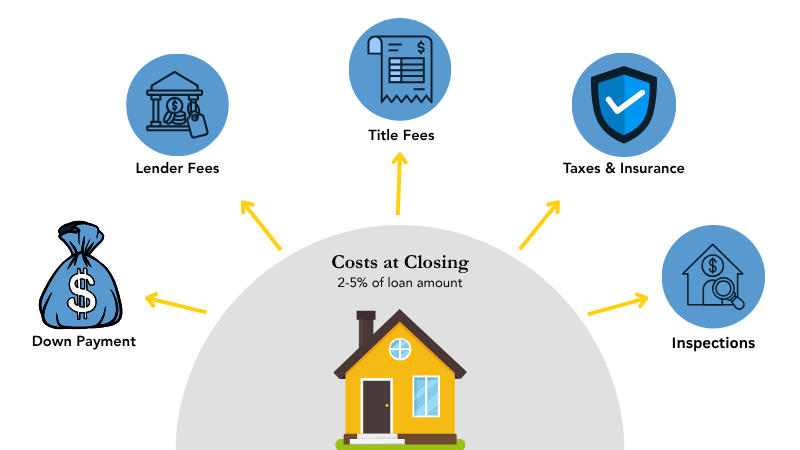
1. Closing Costs

Many first-time buyers are surprised to learn that there are costs associated with finalizing the purchase beyond the down payment. Closing costs can include:

  • Lender fees
  • Attorney fees
  • Title charges
  • Taxes
  • Insurance-related costs

These expenses vary depending on the property and loan type, but understanding them early helps buyers avoid last-minute stress.

2. Home Inspection Costs

A home inspection is one of the most important parts of the buying process. It gives buyers a better understanding of the condition of the property before closing.

While buyers sometimes want to skip inspections in competitive markets, inspections can help uncover issues that may not be visible during a showing.

3. Moving Expenses

Moving costs add up quickly, especially when buying your first home.

Some buyers need:

  • Movers
  • Moving trucks
  • Storage
  • Packing supplies
  • Cleaning services

Even local moves around Framingham and MetroWest can become expensive without planning ahead.

4. Furniture & Appliances

Many buyers move into a larger space and suddenly realize they need:

  • New furniture
  • Window treatments
  • Washer & dryer
  • Kitchen appliances
  • Outdoor equipment

It’s easy to underestimate how much furnishing a new home can cost, especially for first-time homeowners.

5. Repairs & Maintenance

Unlike renting, homeowners are responsible for repairs and maintenance.

Even move-in ready homes may eventually need:

  • Paint updates
  • Landscaping
  • HVAC servicing
  • Plumbing repairs
  • Minor renovations

Setting aside an emergency fund after purchasing a home is always a smart idea.

6. Utility Changes

Monthly expenses can change significantly when transitioning from renting to owning.

Costs like:

  • Water
  • Sewer
  • Trash
  • Heating
  • Electric
  • Internet

may be different than what buyers were previously paying in an apartment or rental property.

7. Property Taxes & Insurance

Property taxes and homeowners insurance are important ongoing expenses buyers should understand before purchasing a home.

In Massachusetts, these costs vary depending on the town, property value, and type of home.

Working with a knowledgeable lender and real estate agent can help buyers understand the full monthly picture before making a decision.

Thinking About Buying Your First Home in Framingham, MA?

Buying a home doesn’t have to feel overwhelming when you have the right guidance and preparation. As a real estate agent in Framingham working with first-time home buyers, I love helping clients understand the process, avoid surprises, and feel confident every step of the way.

If you’re thinking about buying a home in Framingham or the MetroWest area, feel free to reach out anytime with questions. 🏡✨

Buying and Selling Guides May 22, 2026

Down Payment Myths First-Time Home Buyers in Framingham, MA Should Know

Buying your first home can feel overwhelming, especially with so much misinformation online about down payments. As a real estate agent working with first-time home buyers in Framingham, MA, one of the biggest things I hear is: “I thought I needed 20% down to buy a home.”

The truth is, many buyers are more prepared than they think. Let’s break down some of the most common down payment myths that stop people from starting their homeownership journey.

Myth #1: You Need 20% Down to Buy a Home

This is probably the biggest myth in real estate. While putting 20% down can help you avoid private mortgage insurance (PMI), it is not required to buy a home.

Many first-time home buyers in Massachusetts qualify for loan programs that allow much lower down payments — sometimes as little as 3% to 5% depending on the loan type and financial situation.

For many renters in Framingham, the biggest surprise is realizing homeownership may be more achievable than they expected.

Myth #2: You Need Perfect Finances Before Buying

A lot of people assume they need perfect credit, zero debt, and a huge savings account before talking to a lender. In reality, every buyer’s situation is different.

Lenders look at:

  • Income
  • Credit score
  • Debt-to-income ratio
  • Employment history
  • Savings and assets

Even if you think you are “not ready,” it’s still worth learning what your options are.

Myth #3: Down Payment Assistance Doesn’t Exist

There are first-time home buyer programs and down payment assistance options available that many buyers do not know about.

Depending on your qualifications, certain programs may help reduce upfront costs and make buying a home more affordable. Talking with a trusted lender can help you understand what programs are available in Massachusetts.

Myth #4: Renting Is Cheaper Than Buying

While every situation is different, many renters are already paying monthly amounts similar to a mortgage payment. The difference is that rent payments build your landlord’s equity — not yours.

Owning a home allows you to build long-term wealth over time while creating stability and a place that truly feels like your own.

Myth #5: You Should Wait Until the “Perfect Time”

Many buyers delay purchasing because they are waiting for the perfect market, perfect interest rate, or perfect savings amount. The reality is that there is rarely a “perfect” time to buy.

The best first step is simply understanding what you qualify for and creating a plan.

Thinking About Buying a Home in Framingham, MA?

If you are a first-time home buyer in Framingham or the MetroWest area, you may be closer to buying a home than you think. Understanding your options is the first step.

If you have questions about the home buying process, down payments, or getting started, I’d be happy to help guide you through it.

Buying and Selling Guides April 28, 2026

Home Selling Guide in Framingham: Step-by-Step Process (2026)

Home Selling Guide in Framingham: Step-by-Step Process (2026)

Selling a home in Framingham involves more than simply listing a property—it requires understanding how pricing, condition, and timing interact within the current market. As inventory levels and buyer activity shift, each step of the selling process is influenced by real-time conditions rather than fixed expectations.

This guide outlines the home selling process in Framingham and how Julia Alves, a real estate agent with the Winter Properties Realty Group at Century 21 Custom Home Realty, approaches each stage based on current market data.

Step 1: Review Property Value

The process typically begins with analyzing a property’s estimated value using:

  • Recent comparable sales
  • Current active listings
  • Property condition, size, and location

Pricing is one of the most important factors in how a listing performs. Julia Alves uses local market data to help determine a pricing strategy aligned with current conditions.


Step 2: Prepare the Property

Before listing, properties are prepared for the market. This may include:

  • Cleaning and decluttering
  • Minor repairs or updates
  • Staging to help present the space more clearly in photos and showings

Preparation can influence how a property is perceived when it comes on the market. Julia Alves works with sellers to determine which steps— including staging where appropriate—align with the property and current market conditions.


Step 3: List the Property

Once the property is ready, it is listed on the market with:

  • Professional photography
  • Accurate property details
  • Exposure across listing platforms

Clear and accurate listing information helps ensure buyers can properly evaluate the property.


Step 4: Showings & Market Activity

After listing, buyers begin touring the property.

During this stage:

  • Showings are scheduled
  • Feedback is collected
  • Market response is monitored

Julia Alves tracks showing activity and feedback to assess how the listing is performing relative to the market.


Step 5: Review Offers

When offers are submitted, sellers review:

  • Purchase price
  • Financing terms
  • Contingencies (inspection, appraisal, financing)
  • Proposed closing timeline

Offer evaluation involves more than price alone. Julia Alves helps analyze each offer based on overall terms and likelihood of closing.


Step 6: Inspection & Negotiation

After an offer is accepted, the buyer typically conducts inspections.

This stage may involve:

  • Reviewing inspection findings
  • Negotiating repairs or credits
  • Confirming next steps based on the agreement

Julia Alves helps guide sellers through this process based on the terms of the contract.


Step 7: Appraisal & Closing

If the buyer is financing the purchase, an appraisal is conducted to confirm value.

During this stage:

  • Buyer’s loan is finalized
  • Final documents are prepared
  • Closing is scheduled

At closing, ownership is transferred and the transaction is recorded through the appropriate municipal offices.


What to Expect in the Framingham Market

Local market conditions influence how a property performs:

  • Inventory levels affect buyer activity
  • Pricing strategy impacts showing volume
  • Property condition influences offers

Julia Alves uses current listings and recent comparable sales to guide pricing and strategy throughout the process.


Final Thoughts

Selling a home in Framingham involves multiple steps, each influenced by local market conditions and property-specific factors. A structured, data-driven approach helps ensure decisions are based on accurate, up-to-date information.


FAQs

: How do I determine the right listing price?
Pricing is typically based on recent comparable sales, current listings, and property condition.

: How long does it take to sell a home?
Timelines vary, but many properties go under agreement within a few weeks, with closing typically 30–60 days later.

: Should I make repairs before listing?
That depends on the condition of the property and how it compares to similar listings.

: What costs are involved in selling?
Costs may include agent commissions, closing costs, and potential repairs or concessions.

Local living April 24, 2026

Living in Framingham, Massachusetts: What to Know Before You Move from Renting to Buying

Quick Snapshot

If you’re renting in Framingham or nearby towns like Natick, Ashland, or Marlborough, the biggest shift when buying isn’t just where you live, it’s how your money works.

Rent is predictable, but it doesn’t build anything long-term. Buying introduces variability (taxes, maintenance), but it also builds equity over time.

As of early 2026, the median home price in Framingham is generally in the mid-$500,000s to low-$700,000s depending on property type. Condos tend to be on the lower end, while single-family homes especially updated ones push higher. Monthly rents for a one or two-bedroom apartment often range from about $2,400 to $3,500, which is where many renters start comparing numbers more seriously.

That comparison is usually the starting point.

Neighborhoods & Housing Types

Framingham has a mix of housing that works well for renters transitioning into ownership.

Closer to downtown Framingham and the commuter rail, you’ll find more condos, smaller multi-family properties, and older housing stock. These are often the most accessible entry points for buyers coming out of renting, both in price and maintenance.

On the Natick side and in neighborhoods like Saxonville, housing tends to lean more toward single-family homes, with prices reflecting larger lot sizes and quieter residential streets. These areas typically require a higher upfront budget.

Then there are nearby towns.

Natick generally trends slightly higher in price, with a similar mix but more competition. Ashland often offers slightly more space for the price, while Marlborough has newer developments and more inventory overall.

For renters, condos are usually the most common first step into ownership. They come with HOA fees, but they also reduce maintenance responsibility something many renters are used to.

Single-family homes offer more control, but also more responsibility.

That trade-off matters.

Getting Around (Driving, Transit, Bike/Walk)

One reason renters stay in Framingham is convenience and that doesn’t change when buying.

The Framingham/Worcester commuter rail line connects directly to Boston’s South Station. Travel time is typically around 45–55 minutes depending on the train. For buyers, being near a commuter rail stop can influence both price and long-term value.

Driving is centered around Route 9, the Mass Pike (I-90), and Route 30. Route 9 is where most daily errands happen shopping, groceries, restaurants but traffic can build quickly during peak hours.

Most areas are not highly walkable in the traditional sense, especially compared to Boston. However, certain pockets like downtown Framingham or Natick Center offer more walkable setups.

For renters turning buyers, location often becomes more strategic. Instead of just “close enough,” it becomes “how often will I actually commute?”

Jobs & Local Economy

Framingham has a steady local economy, supported by a mix of retail, healthcare, education, and corporate employers.

Companies like TJX Companies (based in Framingham) are major local employers, along with MetroWest Medical Center and Framingham State University. Many residents also commute east toward Boston or west toward Worcester.

For renters considering buying, job stability is one of the biggest factors. Lenders will look for consistent income, typically over a two-year period.

The area itself supports a range of incomes, but buying requires aligning your budget with both current earnings and future plans.

Schools & Enrollment Basics

Framingham Public Schools serve the city, with multiple elementary schools, middle schools, and Framingham High School.

School assignments are based on address, and boundaries can change. The district provides tools online where you can verify which school is assigned to a specific property.

For buyers, this matters more than it typically does for renters, since your address is tied to a long-term investment.

Objective data like student-teacher ratios or state-published performance metrics can be found through the Massachusetts Department of Elementary and Secondary Education. It’s always best to review those directly rather than relying on general opinions.

Parks, Trails & Things to Do

This is one of the parts of Framingham that people don’t always expect.

Callahan State Park is a standout—over 800 acres of trails, open fields, and wooded paths. It’s the kind of place people end up going regularly once they live nearby.

Cochituate State Park, right on the Framingham/Natick line, offers water access, kayaking, and walking paths along the lake.

On weekends, Natick Center and nearby areas bring in foot traffic for restaurants, small shops, and seasonal events. Route 9 covers the more commercial side—shopping plazas, larger stores, and everyday errands.

For buyers, these lifestyle factors tend to carry more weight than they did when renting.

You’re choosing long-term surroundings, not just a temporary setup.

Cost of Living & Typical Housing Costs

This is where the renter-to-buyer conversation becomes real.

Framingham’s cost of living is higher than the national average, largely driven by housing. As of 2026:

  • Condos often range from the mid-$300,000s to $500,000+
  • Single-family homes commonly range from $550,000 to $800,000+ depending on condition and location

Monthly ownership costs include more than just a mortgage. Property taxes in Framingham are based on assessed value (the town’s estimate of your home’s worth) and are charged per $1,000 of that value.

You’ll also need to factor in:

  • Homeowners insurance
  • Maintenance (especially for single-family homes)
  • HOA fees (for condos)

For many renters, the shift isn’t just about whether they can afford a home—it’s understanding the full monthly picture compared to rent.

Sometimes it’s closer than expected.

How to Research Zoning, Permits & Property Records

Once renters start seriously considering buying, this is where things become more detailed.

Framingham provides an online GIS/property viewer where you can look up:

  • Property boundaries
  • Zoning classifications
  • Lot sizes
  • Assessed values

Zoning determines what can be done with a property—whether it’s single-family, multi-family, or mixed-use. This matters especially for buyers thinking long-term.

The city’s building department also tracks permits, which can show past renovations or additions.

These are all public tools, and they give a clearer picture of what you’re actually buying beyond just the listing.

Public Safety Data: How to Find & Read the Official Dashboards

Public safety is often a question people have, but it’s important to approach it through official data.

The Framingham Police Department provides access to reports and data through city resources. Massachusetts also publishes statewide crime data.

When reviewing this information:

  • Look at trends over time, not just one year
  • Compare categories (property vs. violent incidents)
  • Understand that data is reported, not predictive

Avoid drawing conclusions from general statements. The data is there—it just needs to be read in context.

FAQs

How do I know if I’m ready to go from renting to buying in Framingham?

It usually comes down to financial stability, credit history, and how long you plan to stay. Many buyers don’t realize they’re closer than they think until they actually review their numbers.

Is buying cheaper than renting in this area?

Not always month-to-month. But buying can build equity over time, while rent does not. The comparison depends heavily on purchase price, loan terms, and how long you stay.

What’s the most common first purchase for renters?

Condos are typically the most accessible entry point due to lower prices and reduced maintenance compared to single-family homes.

How much do I need for a down payment?

It varies. Some loan programs allow as little as 3–5% down, but total upfront costs also include closing costs and reserves.

Are there programs for first-time buyers in Massachusetts?

Yes. The state offers programs through MassHousing and other agencies that provide assistance or favorable loan terms, depending on eligibility.

Does location within Framingham matter that much?

Yes. Proximity to the commuter rail, Route 9, and neighboring towns like Natick can impact both price and long-term value.

Sources

  • U.S. Census Bureau – Framingham, MA population data
  • City of Framingham Official Website (GIS, zoning, permits)
  • Massachusetts Department of Elementary and Secondary Education
  • Mass.gov Public Safety Data Portal
  • MBTA Commuter Rail (Framingham/Worcester Line)
Buying and Selling Guides April 14, 2026

Home Buying Guide in Framingham: Step-by-Step Process (2026)

Home Buying Guide in Framingham: Step-by-Step Process (2026)

Framingham sits in the MetroWest region, about 20–25 miles west of Boston, and continues to be an active housing market with a range of property types and price points. For buyers entering the market, understanding the process—and how local conditions affect each step—is key to making informed decisions.

This guide outlines the home buying process in Framingham and how Julia Alves, a real estate agent with the Winter Properties Realty Group at Century 21 Custom Home Realty, approaches each stage based on current market conditions.


Step 1: Establish Financing

Before viewing properties, buyers typically begin by reviewing financing options and obtaining pre-approval from a lender.

This step helps:

  • Define a clear price range
  • Estimate monthly costs (including taxes and insurance)
  • Strengthen offer positioning

Julia Alves works with buyers at this stage to ensure they have a clear understanding of budget and how financing impacts their options in the current market.


Step 2: Define Search Criteria

Once financing is established, the next step is identifying property criteria, which may include:

  • Property type (single-family, condominium, multi-family)
  • Price range
  • Size, layout, and condition preferences
  • Location within Framingham and access to major routes or transit

Search criteria often evolve as buyers compare available inventory. Julia Alves helps refine these criteria based on real-time listings and market trends.


Step 3: Monitor Listings & Tour Properties

The Framingham market can move quickly depending on inventory levels and pricing.

Buyers typically:

  • Track new listings as they come on the market
  • Schedule showings
  • Compare properties using recent sales

Julia Alves provides ongoing updates on new listings and helps evaluate how each property compares to current market data.


Step 4: Submit an Offer

When a suitable property is identified, the next step is submitting an offer.

An offer may include:

  • Purchase price
  • Financing terms
  • Contingencies (inspection, appraisal, financing)
  • Closing timeline

Offer structure is influenced by market conditions. Julia Alves works with buyers to align offer terms with comparable sales and current activity levels.


Step 5: Inspection & Due Diligence

After an offer is accepted, buyers typically conduct inspections and review property details.

This stage may include:

  • Home inspection
  • Review of disclosures
  • Evaluation of repairs or updates

Julia Alves helps coordinate this process and ensures buyers understand inspection findings and next steps.


Step 6: Appraisal & Loan Processing

If financing is involved, the lender will order an appraisal.

During this time:

  • Loan underwriting is completed
  • Financial documents are reviewed
  • Final approval is issued

Julia Alves stays involved throughout this stage to help keep timelines on track and communication clear.


Step 7: Closing

The final step is closing, where ownership of the property is transferred.

This includes:

  • Signing final documents
  • Completing financial transfers
  • Recording the transaction

Julia Alves works with all parties involved to help ensure a smooth closing process.


What to Expect in the Framingham Market

Market conditions in Framingham can influence each step:

  • Inventory levels affect timing
  • Pricing trends impact offer strategy
  • Property condition varies across listings

Because of this, Julia Alves focuses on using current listings and comparable sales data to guide decisions throughout the process.


Final Thoughts

Buying a home in Framingham involves multiple steps, each shaped by local market conditions and property-specific factors. Having a structured approach—and access to current, accurate information—can make the process more predictable and informed.

FAQs

: Do I need pre-approval before viewing homes?
Pre-approval is typically required before submitting an offer and helps define your price range.

: How long does the process take?
Many transactions move from accepted offer to closing within 30–60 days, depending on financing and inspections.

: What costs should I expect beyond the purchase price?
Costs may include closing costs, inspections, insurance, and property taxes.

: Where can I verify property details?
Municipal resources provide official zoning, permitting, and property records.

About me April 6, 2026

About Julia Alves

About Julia Alves | Real Estate in Framingham & MetroWest

I’m Julia Alves, a Real Estate Agent with Winter Properties Realty Group at Century 21 Custom Home Realty, serving clients throughout Framingham, MetroWest, and down to Bridgewater. My focus is helping buyers and sellers navigate the market with a clear, strategic approach, especially renters looking to become first-time homeowners.

My background in real estate, combined with my experience working directly with clients in fast-paced environments, has shaped how I run my business. I’m highly organized, detail-oriented, and focused on making sure every step of the process is handled efficiently and correctly. Real estate can move quickly, and I make it a priority to stay ahead, whether that’s getting clients into homes early, responding quickly, or adjusting strategy based on market feedback.

I work closely with a high-performing team, which gives my clients access to strong market insight, consistent deal experience, and a support system that helps transactions run smoothly from start to finish.

My Approach

I don’t believe in a one-size-fits-all strategy. Every client, property, and situation is different, so I build a plan around your specific goals.

For buyers, especially first-time buyers, I focus on:

  • Breaking down the process step-by-step so nothing feels overwhelming
  • Helping you understand financing, budgeting, and long-term affordability
  • Identifying opportunities quickly in a competitive market
  • Writing strong, strategic offers based on current conditions

For sellers, I focus on:

  • Pricing your home correctly using real, local data—not guesswork
  • Preparing and staging the home to maximize value
  • Marketing with strong listing exposure and accurate positioning
  • Monitoring activity and adjusting strategy to get results

What Sets Me Apart

A large part of my business is centered around helping renters transition into homeowners. I understand both sides of that process—the uncertainty, the questions, and the financial planning involved and I take pride in guiding clients through it in a way that feels clear and manageable.

I’m also fluent in English and Portuguese, which allows me to work closely with a wider range of clients and ensure nothing gets lost in translation during such an important transaction.

Most importantly, I prioritize communication. My clients are never left guessing what’s happening, I keep you informed, prepared, and confident from start to finish.

Real estate is one of the biggest financial decisions you’ll make, and my role is to make sure you’re making it with the right information, the right strategy, and the right support behind you.

Local livingMarket updates March 30, 2026

What $600,000 Gets You in Framingham (2026 Market Breakdown)

What $600,000 Gets You in Framingham (2026 Market Breakdown)

Framingham sits in the MetroWest region, roughly 20–25 miles west of Boston, and continues to offer a range of housing options across different price points. One of the most common questions from buyers right now is straightforward: what does a $600,000 budget actually get you here?

The answer depends on property type, condition, and location within the city, but there are clear patterns based on recent listings and sales activity.


Price Point Context

A $600,000 budget falls close to the midpoint of the local market based on recent data. That means buyers at this level are typically looking at:

  • Entry-to-mid range single-family homes
  • Larger or more updated condominiums and townhomes
  • Select multi-family opportunities depending on condition and location

Availability can shift week to week, so reviewing current listings alongside recent comparable sales provides the most accurate picture.


Single-Family Homes Around $600K

At this price point, single-family homes in Framingham often include:

  • 2–4 bedrooms and 1–2 bathrooms
  • Square footage commonly ranging from 1,000 to 1,800+ sq ft
  • Lot sizes that vary depending on location within the city

Condition varies. Some homes are move-in ready with updated kitchens or systems, while others may reflect earlier construction styles and offer opportunities for future updates.

Properties closer to major routes or commercial areas may fall within this price range more frequently than those in lower-density residential sections.


Condos & Townhomes Around $600K

Condominiums and townhomes at this price point often provide:

  • Newer construction or recently updated interiors
  • 2–3 bedroom layouts
  • Association-managed exterior maintenance

Buyers considering condos should review:

  • Monthly association fees
  • Rules and regulations
  • Reserve funding and building maintenance

These factors can affect overall cost beyond the purchase price.


Multi-Family Properties

Multi-family homes near $600,000 may be available depending on:

  • Property condition
  • Number of units
  • Rental history and configuration

These properties are often evaluated based on income potential, operating costs, and zoning compliance, which can be verified through local municipal resources.


What Impacts Value at This Price

Several measurable factors influence what’s available around $600K:

  • Condition and updates (kitchens, roofs, systems)
  • Location within Framingham (proximity to major roads, transit, or commercial areas)
  • Lot size and usable outdoor space
  • Property type (single-family vs condo vs multi-family)

Two properties at the same price point can differ significantly based on these variables.


What Buyers Should Expect

Buyers entering this price range should be prepared for:

  • Competition on well-priced listings
  • Variability in condition across available properties
  • The need to evaluate both current value and potential future updates

Financing, inspection terms, and timing all play a role in how competitive an offer needs to be.


Final Thoughts

A $600,000 budget in Framingham provides access to multiple property types, each with trade-offs between size, condition, and location. Understanding those trade-offs—and reviewing real-time market data—is key to making informed decisions.

As inventory and pricing shift, the most accurate way to evaluate options is by comparing active listings with recent sales in the same category.


FAQs

: Is $600K enough for a single-family home in Framingham?
Yes, though options may vary in size, condition, and location. Reviewing current listings provides the clearest answer at any given time.

: Are condos a better value at this price point?
Condos may offer newer finishes or lower maintenance responsibilities, though total cost depends on association fees and other factors.

: Do homes at this price need renovations?
Some may, while others are updated. Condition varies significantly between listings.

: Where can I verify property details?
Property records, zoning, and permits can be reviewed through official municipal resources.


Legal Note

This article is for general information, not legal advice. For specific guidance, consult qualified counsel and official agencies.



Sources

  • City of Framingham – property records, zoning, and permitting
  • U.S. Census Bureau – housing and demographic data
  • Realtor.com – pricing trends and active listings
Market updatesWhere to move? March 24, 2026

Framingham Real Estate Market Update – Early 2026

Framingham sits right in the middle of MetroWest, about 20–25 miles west of Boston, and it continues to function as both a regional hub and a residential city. As we move through 2026, the local real estate market reflects that balance — steady demand, limited inventory, and pricing that remains elevated compared to national averages.

What stands out right now in Framingham is how active the housing market remains relative to available supply. Activity levels vary by price point, property condition, and location within the city, but overall transaction volume continues to reflect consistent buyer interest.


Framingham Real Estate Market Update – Early 2026

The market in Framingham can be described as active with constrained inventory, based on recent listing trends and publicly available housing data.

  • Median listing prices have remained in the mid–$600,000 range in recent reporting periods, with variation by property type and location
  • Days on market have increased compared to earlier peak years but remain below long-term national averages in many cases
  • Available inventory remains limited, particularly for single-family homes within common financing ranges
  • Buyer activity continues, though purchasing timelines may be influenced by financing conditions and property availability

Market conditions can shift month to month, so reviewing the most recent data is essential when making real estate decisions.


What This Means for Sellers

For property owners considering listing, outcomes are closely tied to pricing, condition, and exposure to the market.

Properties that are:

  • Priced in alignment with recent comparable sales
  • Maintained or updated to current buyer expectations
  • Marketed with clear and accurate property details

…tend to generate more consistent showing activity.

Listings that are priced above comparable market data may remain active longer, as buyers have increased access to pricing history and market comparisons.


What This Means for Buyers

For buyers, current conditions reflect continued competition with some increased flexibility compared to prior years.

  • More listings may remain active beyond the first listing week compared to earlier market cycles
  • Contingencies such as inspections are appearing more frequently in some transactions
  • Financing terms and interest rates continue to influence purchasing decisions

Well-prepared buyers—particularly those with pre-approval and a clear understanding of their budget—are better positioned to navigate the process.


Property Type Breakdown

Single-Family Homes
Single-family properties make up a large share of owner-occupied housing in Framingham. Pricing and availability vary based on lot size, condition, and location within the city.

Condos & Townhomes
Condominium and townhouse options provide a wider range of price points. These properties may be more common in certain sections of the city and can offer alternatives to detached housing.

Multi-Family Properties
Multi-family homes are present throughout Framingham and are often evaluated based on rental income potential, operating costs, and local zoning regulations.


Market Trends to Watch

Several measurable factors are shaping the current market:

  • Interest rate changes and their impact on monthly housing costs
  • Inventory levels relative to buyer demand
  • Price adjustments based on comparable sales data
  • Condition of available housing stock, particularly for move-in ready properties

Tracking these variables over time provides a more reliable picture than single data points.


Final Thoughts

Framingham’s housing market reflects broader MetroWest trends while maintaining its own local dynamics. Pricing, inventory, and transaction timelines are all influenced by a combination of regional demand and property-specific factors.

For both buyers and sellers, decisions are best made using current, property-level data and verified local informationrather than general national trends.


FAQs

: How does the housing market in Framingham compare to national averages?
Home prices and overall cost of living in Framingham are generally above national averages, influenced by its location within the Greater Boston region.

: Are home prices increasing or decreasing?
Price movement varies by property type and timeframe. Reviewing recent comparable sales and current listings provides the most accurate snapshot.

: Are bidding situations still occurring?
Multiple-offer situations can still occur, particularly for properties priced in line with market data, though frequency varies.

: Where can I verify property details or zoning?
Property records, zoning designations, and permitting information can be verified through official municipal resources.